Lucky foods for the new year
December 31, 2025 by DarcieAfter waking up this New Year’s Day (if you feel like eating, that is), you may celebrate with a traditional meal of ‘lucky’ foods meant to help bring good fortune for the coming year. Foods that have particular symbolism vary depending on culture, but most are associated with wealth, health, and good luck.
Beans and greens are two of these traditional New Year’s foods. It’s thought that the greens represent paper money and the beans resemble coins, so eating a large quantity of either (or both) will increase your fortune in the coming year. These two foods can be found in the rituals of many cultures, although the legumes vary from lentils to black-eyed peas. Pork and cabbage, often served together, are also popular, especially in Europe.
Grapes play an important role in Spain, where revelers consume 12 grapes just as the clock strikes midnight, each grape representing a coming month in the new year. If you get a sour grape, it might represent a rocky month. This ritual has been happening for over 100 years and has spread to nearby Portugal as well as former Spanish and Portuguese colonies.
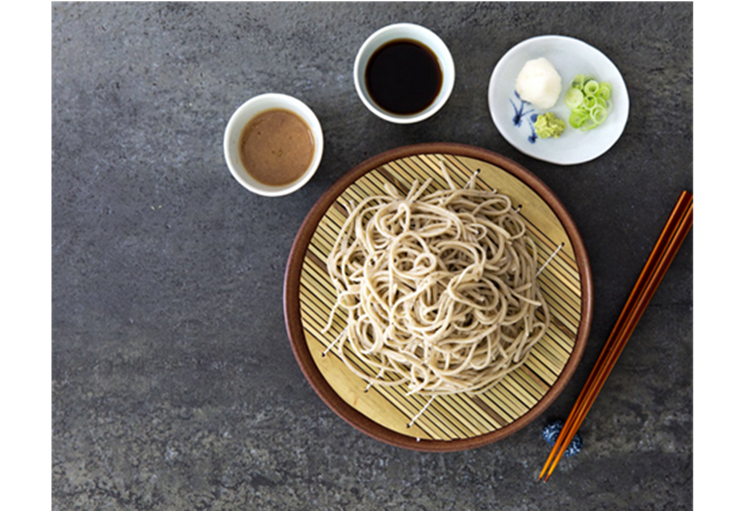
In Greece, onions serve as symbols of luck and fertility because they will sprout even when left alone. That is the source of a Greek tradition of hanging a bag of onions from the door on New Year’s Eve. Many Asian countries celebrate the new year with a bowl of noodles, the longer the better because the length is associated with longevity.
Fish, especially whole fish, are another traditional lucky food for several reasons: they can be considered a symbol of abundance because fish swim in schools and because the Chinese word for fish (yu) sounds like the word for “abundance.” They can also serve as a sign of moving forward or they can be a sign of good fortune because of their shiny scales.
Conversely, a handful of foods are associated with bad luck and people are encouraged to avoid these foods on New Year’s, including lobster and chicken. These creatures move or scratch backwards, respectively, which could be interpreted as being a setback.
We will be making a big pot of beans to ring in 2026. Are you eating a traditional ‘lucky’ meal this New Year’s Day?
Categories
- All Posts (7397)
- Antipasto (2369)
- Author Articles (260)
- Book News (959)
- Cookbook Giveaways (1009)
- Cookbook Lovers (272)
- Cooking Tips (133)
- Culinary News (308)
- Food Biz People (577)
- Food Online (831)
- Holidays & Celebrations (293)
- New Cookbooks (165)
- Recipes (1548)
- Shelf Life With Susie (231)
- What's New on EYB (142)
Archives
Latest Comments
- anya_sf on Avoid these mistakes when buying produce
- MollyB on Why the refrigerator is bad for bread
- London_Mummy on Avoid these mistakes when buying produce
- FuzzyChef on Avoid these mistakes when buying produce
- FromScratch on Tomato growing tips from an expert
- Duncanarmour on Gloagburn: Recipes from a Scottish Farm – Giveaway
- janecooksamiracle on Why the refrigerator is bad for bread
- KatieK1 on Why the refrigerator is bad for bread
- bc2rlh2023 on Chesnok by Polina Chesnakova – Cookbook Giveaway
- FJT on Bringing back flavorful food